

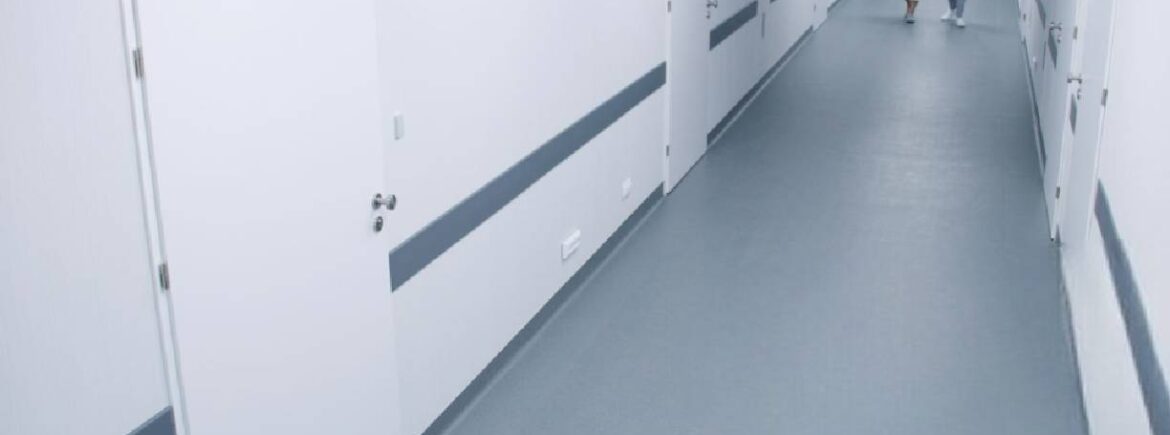
In healthcare, pharmaceutical, and clean manufacturing environments, wall systems are no longer just a design element — they are a critical component of infection control. Choosing the right wall cladding can directly impact hygiene levels, patient safety, and long-term operational efficiency.
This is where antimicrobial PVC wall cladding stands apart from traditional wall finishes and basic antibacterial solutions.
✅ Antibacterial vs. Antimicrobial Wall Systems: Understanding the Difference
The terms antibacterial and antimicrobial are often used interchangeably, but technically, they represent two different levels of protection.
Antibacterial wall cladding is designed to inhibit the growth of bacteria only. While this can reduce bacterial contamination, it does not address other microorganisms commonly found in medical environments.
Antimicrobial wall cladding, on the other hand, offers broader protection. It works against:
-
Bacteria
-
Fungi
-
Mold
-
Certain microorganisms responsible for surface contamination
For high-risk areas such as operating rooms, ICUs, laboratories, and pharmaceutical production zones, antimicrobial protection is essential, not optional.
Why Antimicrobial PVC Wall Cladding Is Essential in Healthcare Facilities
Unlike painted walls, tiles, or traditional panels, antimicrobial PVC wall systems are engineered to support continuous hygiene control.
✅ Key advantages include:
-
Smooth, non-porous surfaces that prevent microorganism buildup
-
Seamless installation with welded joints to eliminate dirt traps
-
High resistance to chemicals, moisture, and aggressive cleaning agents
-
Long-term performance without degradation
These characteristics make antimicrobial PVC wall panels ideal for environments where infection prevention must operate 24/7.
Saniclad PVC Wall Panels: Built-In Antimicrobial Protection
Saniclad PVC wall cladding systems utilize integrated Silver Ions (Ag⁺) technology, embedded directly within the material — not applied as a surface coating.
✨Silver Ions work by:
-
- Disrupting microbial cell activity
-
Preventing reproduction of bacteria and fungi
-
Providing continuous antimicrobial performance throughout the panel’s lifespan
This makes Saniclad a true antimicrobial wall solution, not just an antibacterial surface treatment.
✨ Applications of Antimicrobial PVC Wall Cladding
Saniclad antimicrobial PVC wall panels are widely used in:
-
Operating Rooms and ICUs
-
Laboratories and cleanrooms
-
Pharmaceutical factories
-
Food and beverage production facilities
-
Commercial kitchens and controlled hygiene areas
Their seamless appearance, durability, and compliance with international hygiene standards make them suitable for both new construction and renovation projects.
Nwabeg Al Motawaset: Delivering Advanced Hygienic Wall Solutions in Saudi Arabia
Nwabeg Al Motawaset is the Saudi Arabian branch of El Kharashy Contracting & Trading, bringing decades of medical and hygienic fit-out expertise to the Kingdom.
We deliver turnkey hygienic finishing solutions using internationally approved systems such as Saniclad antimicrobial PVC wall cladding, ensuring full compliance with infection control, healthcare safety, and clean-environment standards.
From hospitals and pharmaceutical factories to food production and clean industrial facilities, our solutions are designed to protect people, processes, and performance.
When it comes to wall systems in critical environments, the difference between antibacterial and antimicrobial is more than terminology — it’s a matter of safety, compliance, and long-term reliability.
Antimicrobial PVC wall cladding systems like Saniclad offer a future-ready solution for facilities that demand the highest levels of hygiene and durability.
Ready to upgrade your hygienic environment?
Contact Nwabeg Al Motawaset to learn more about antimicrobial PVC wall cladding solutions designed for healthcare and critical facilities.